
By: Razia Ali Clinical Nutritionist | Dietitian | Public Health Nutritionist | Diabetic Educator | Nutrigenomic Counsellor | Clinical Researcher Dar-es-Salaam, Tanzania Email: raziaali52110@gmail.com
Introduction
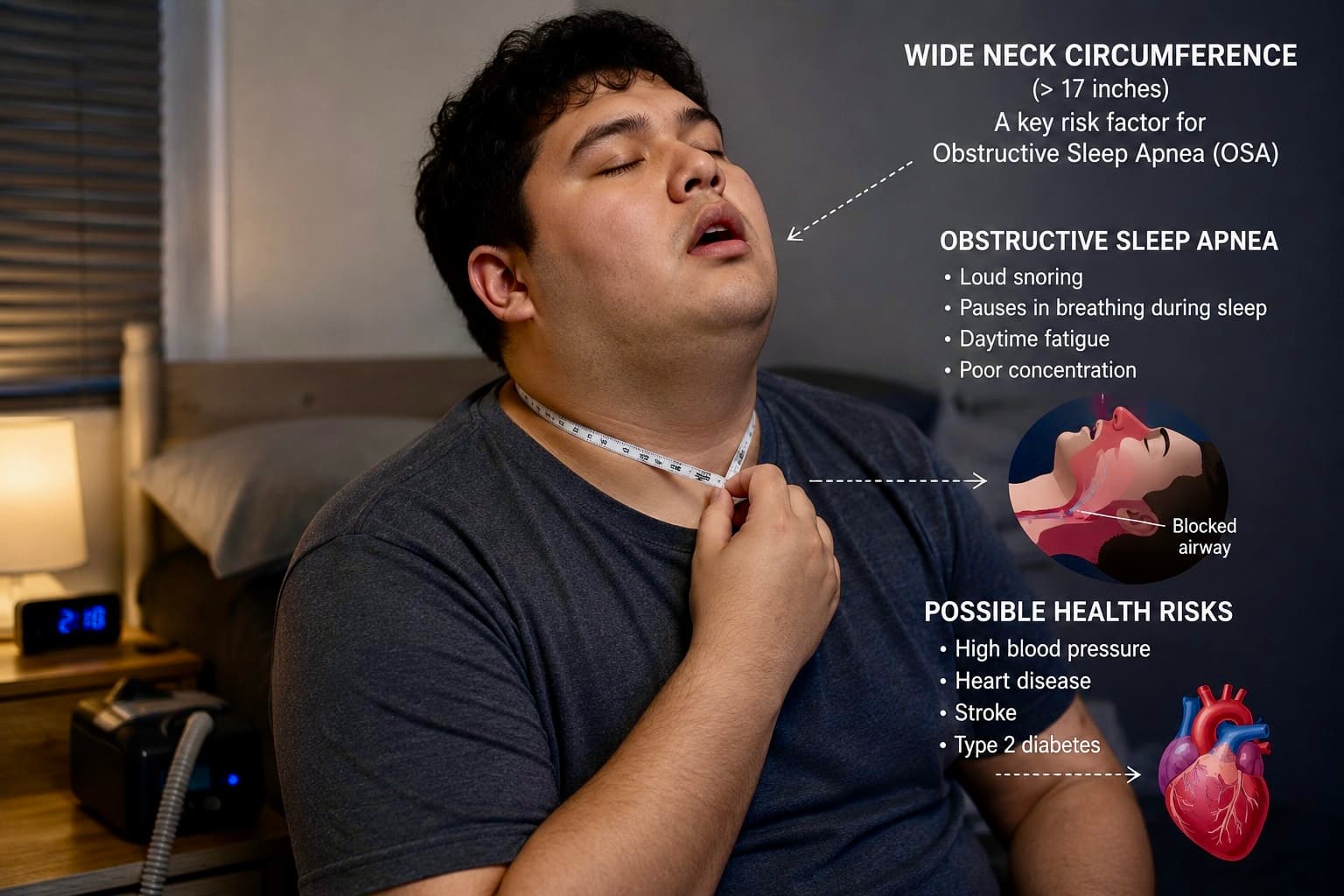
A tape measure around your neck could be a lifesaving diagnostic tool. Research increasingly shows that neck circumference and obstructive sleep apnea (OSA) are powerful predictors of heart disease, independent of weight or BMI. The neck area is a key site for upper-body fat deposition, which may compress the airway during sleep and lead to OSA — a condition that silently taxes the cardiovascular system.
Understanding the Link
OSA is characterized by repeated pauses in breathing during sleep due to airway obstruction. This causes intermittent hypoxia, which triggers oxidative stress, inflammation, and activation of the sympathetic nervous system — all of which contribute to hypertension, arrhythmia, and eventually cardiac dysfunction (Young et al., 2002).
A larger neck circumference (>40 cm in men, >35 cm in women) indicates higher fat accumulation around the pharyngeal region, restricting airflow and increasing OSA risk (Neeland et al., 2015). Unlike BMI, which reflects total body mass, neck circumference reflects central fat deposition — the most dangerous type for heart health.
Practical Application
Clinicians now use neck circumference as a quick screening tool for metabolic syndrome and cardiovascular disease risk. Combined with OSA symptoms such as snoring, fatigue, and morning headaches, it helps predict early cardiac risk before major events occur.
Example
A 42-year-old man with a BMI of 26 (overweight but not obese) had a neck circumference of 43 cm. Overnight polysomnography confirmed moderate OSA. Post lifestyle modification and CPAP therapy, his blood pressure and lipid profile improved within three months — showing how early screening can prevent future heart complications.
Conclusion
Your neck might be whispering what your heart is shouting. Early measurement, diagnosis, and intervention could prevent heart attacks and save lives.
References
Young T., et al. (2002). Sleep-disordered breathing and cardiovascular disease: Cross-sectional results of the Sleep Heart Health Study. Sleep, 25(1), 50–55.
Neeland, I. J., et al. (2015). Body fat distribution and its association with metabolic risk factors. Journal of the American College of Cardiology, 65(10), 1074–1082.