By: Razia Ali Clinical Nutritionist | Dietitian | Public Health Nutritionist | Diabetic Educator | Nutrigenomic Counsellor | Clinical Researcher Dar-es-Salaam, Tanzania Email: raziaali52110@gmail.com
Introduction
If you often feel tired even after sleeping well, the issue may not be your rest but your diet. The food you eat determines how efficiently your body’s cells produce energy. Energy foods differ with age, as metabolism, hormonal balance, and muscle composition change.
Understanding Energy Nutrition
Energy production depends on macronutrients — carbohydrates, fats, and proteins — and micronutrients like iron, B vitamins, and magnesium. Each age group has distinct requirements.
Children (5–12 years): Need high-complex carbohydrate meals with protein. Examples: whole grains, bananas, milk, and lentils.
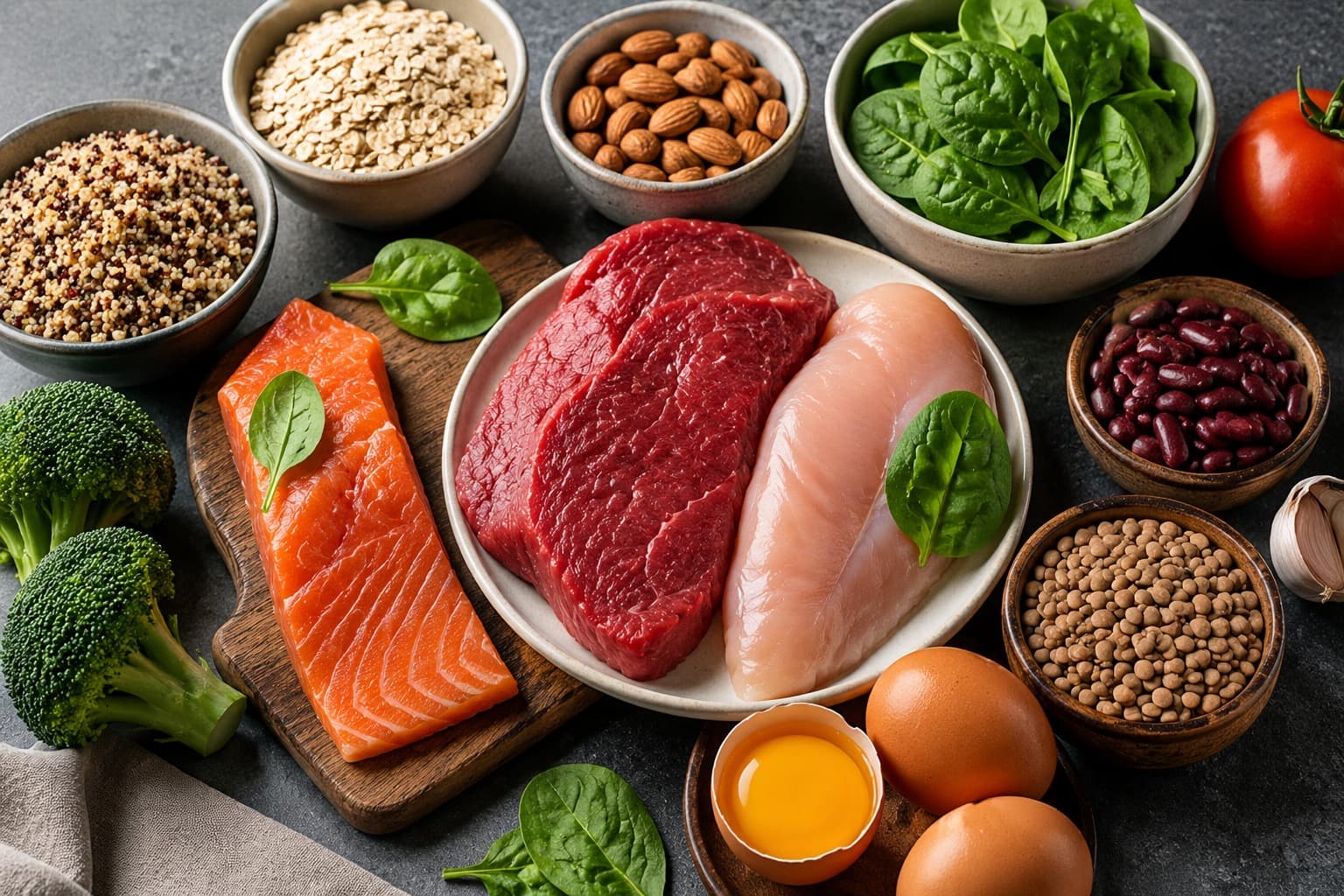
Adults (20–40 years): Require balanced macros, lean protein, and iron-rich foods like spinach, red meat, and eggs to counter stress-related fatigue.
Elderly (60+ years): Benefit from omega-3s (fish, flaxseed), vitamin B12, and antioxidants to maintain muscle and cognitive energy.
Practical Tips
Pair complex carbs + protein + healthy fats (e.g., oatmeal + nuts + yogurt) to sustain blood sugar and prevent crashes.
Stay hydrated — even mild dehydration reduces alertness.
Avoid high-sugar energy drinks; they cause a glucose spike followed by fatigue.
Example
A working adult who replaced processed breakfast cereals with a bowl of oats, chia seeds, and banana reported better focus and fewer mid-morning slumps — a small but sustainable energy fix.
Conclusion
Energy isn’t found in caffeine; it’s built on balanced nutrition that nourishes mitochondria — your body’s real powerhouses.
References
World Health Organization (2020). Human Energy Requirements.
Harvard Health Publishing (2023). Foods that fight fatigue.