
By: Razia Ali Clinical Nutritionist | Dietitian | Public Health Nutritionist | Diabetic Educator | Nutrigenomic Counsellor | Clinical Researcher Dar-es-Salaam, Tanzania Email: raziaali52110@gmail.com
Introduction
Despite abundant sunlight, vitamin D deficiency has reached pandemic levels globally. While certain foods contain small amounts, they rarely meet physiological needs. Vitamin D3 (cholecalciferol) is critical for bone, immune, and metabolic health.
Why Food Sources Fall Short
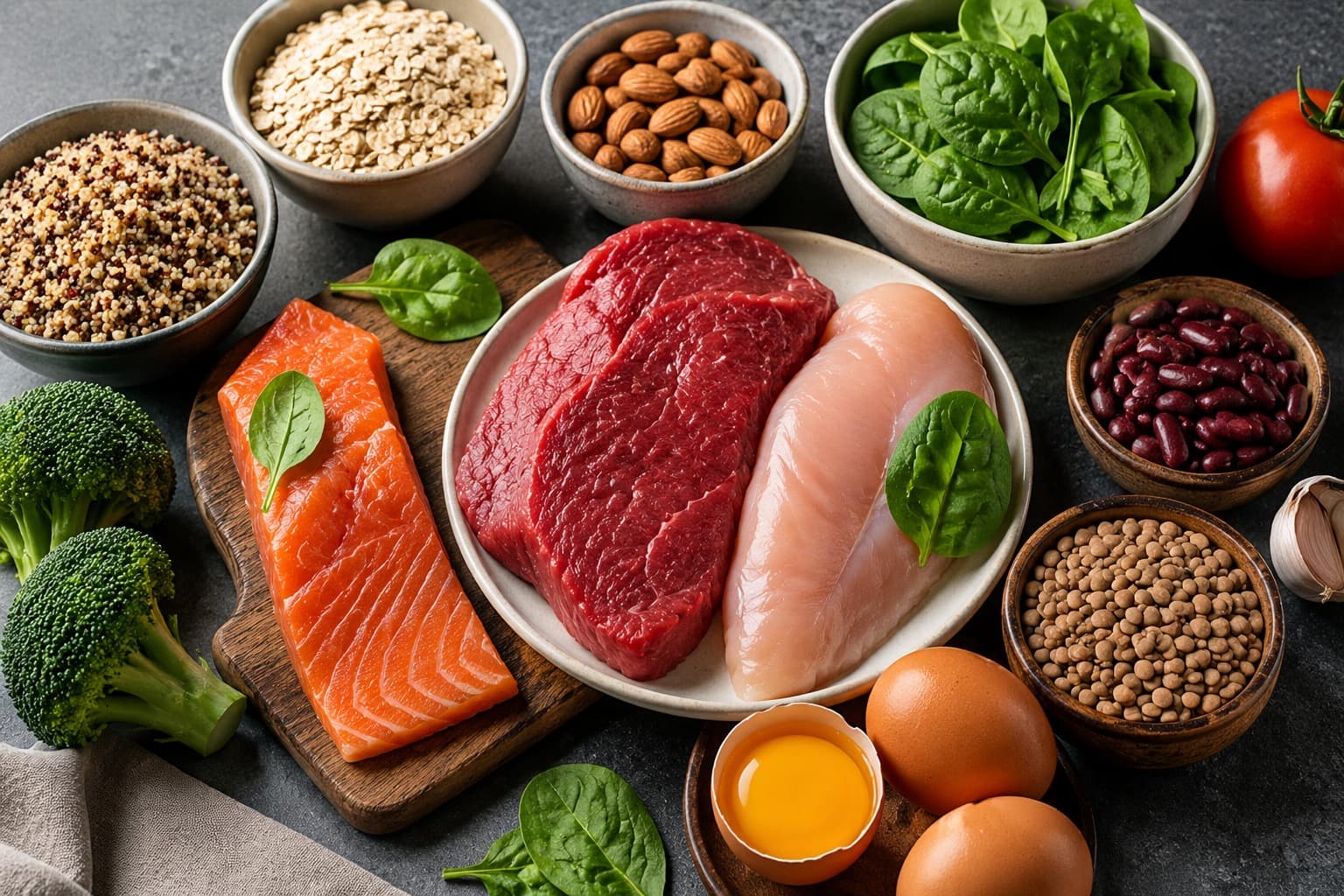
Natural dietary sources — fatty fish (salmon, sardines), egg yolks, and fortified milk — offer only 100–200 IU per serving, while the daily requirement for adults is 600–1000 IU (NIH, 2024). Sunlight exposure triggers synthesis of Vitamin D3 in the skin, but urban living, sunscreen use, and air pollution limit this natural production (Holick, 2007).
Role in Nutrient Absorption
Vitamin D3 enhances the intestinal absorption of calcium, phosphorus, and magnesium, directly impacting bone density and nerve function. It also regulates the immune system, reducing autoimmune and inflammatory diseases.
When Supplements Are Needed
In individuals with low sun exposure, darker skin tones, or chronic illnesses, supplements are essential. A typical adult dose: 1000 IU daily or 50000 IU weekly for deficient cases (under supervision).
Example
A 35-year-old woman with chronic fatigue and muscle aches was diagnosed with vitamin D deficiency (serum 25(OH)D = 15 ng/mL). After 8 weeks of supplementation, her energy levels and calcium absorption improved significantly.
Conclusion
Even in sunny regions, lifestyle barriers create invisible deficiencies. Supplements restore what sunlight can’t always provide.
References
Holick, M. F. (2007). Vitamin D deficiency. New England Journal of Medicine, 357, 266–281.
National Institutes of Health (2024). Vitamin D Fact Sheet for Health Professionals.