By Razia Ali
Clinical Nutritionist | Dietitian
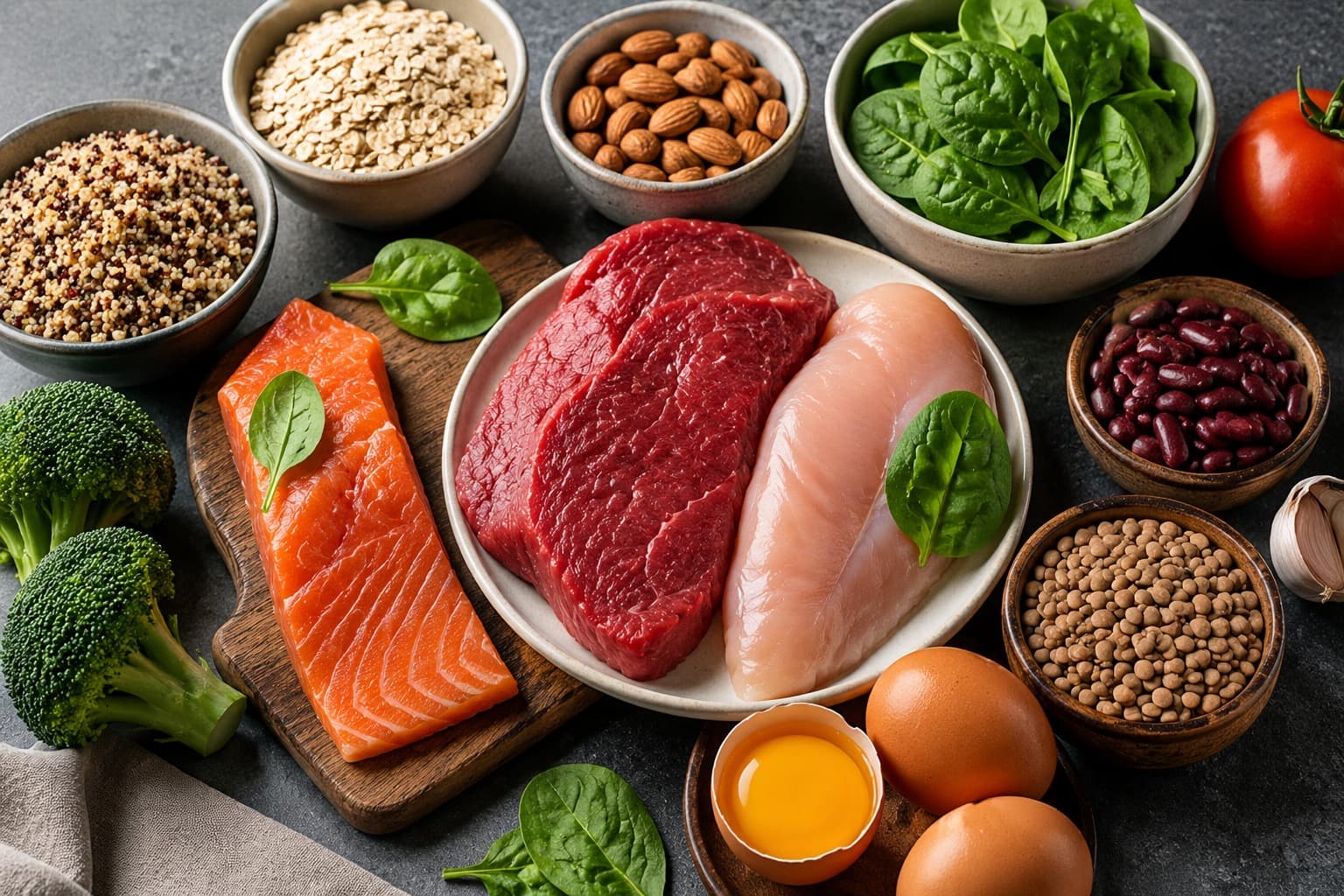
In the rush to shed extra kilos, many individuals drastically cut down on carbohydrates or fats, believing fewer macros equal faster results. However, science shows that eliminating or severely restricting any major macronutrient—protein, carbohydrates, or fats—can backfire, slowing metabolism, triggering nutrient deficiencies, and even leading to muscle loss. Sustainable weight loss is not about deprivation but about balance.
- The Role of Protein: The Metabolic Multiplier
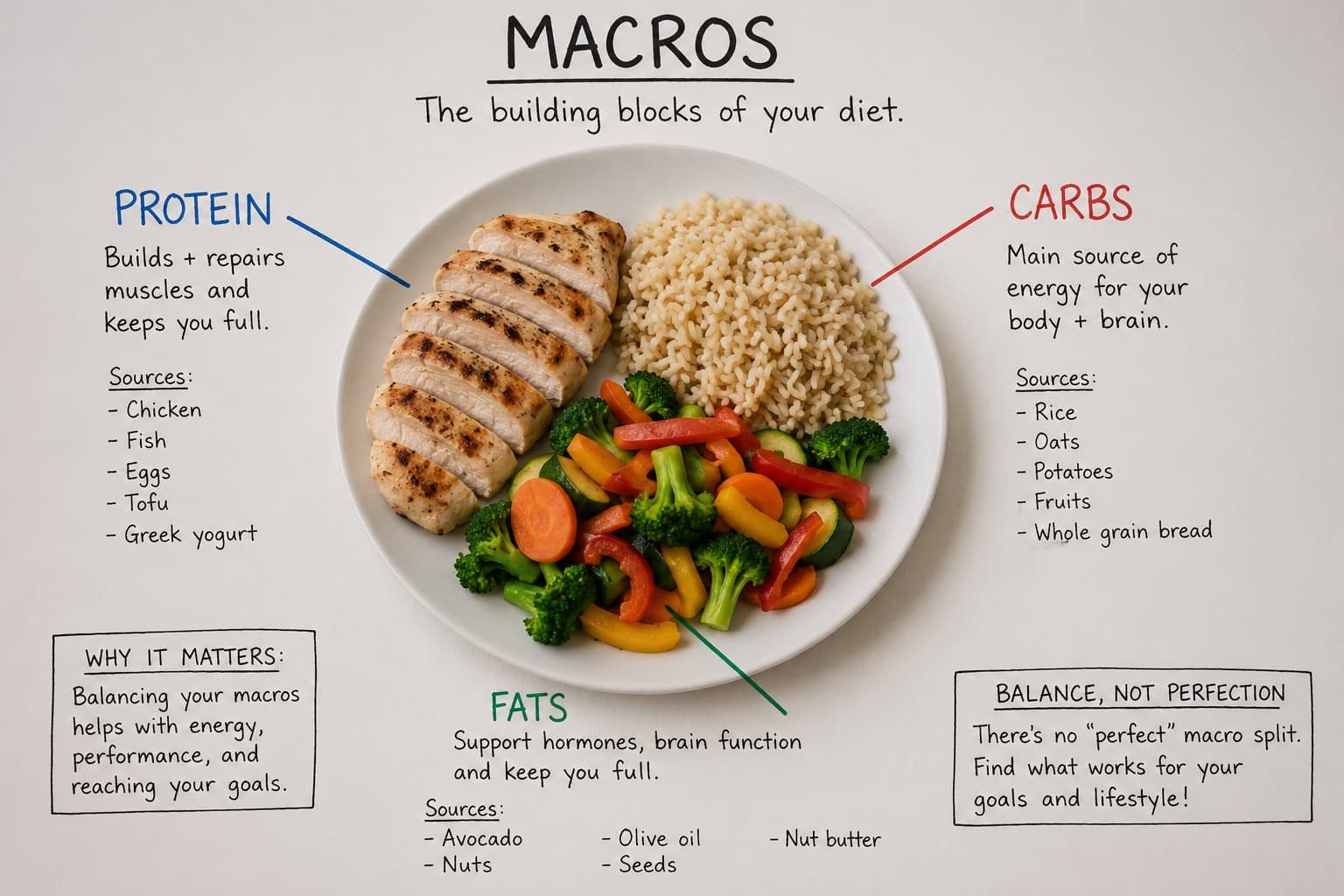
Protein is more than just a muscle-builder—it’s a metabolic engine. Adequate protein intake helps preserve lean body mass during calorie deficits, prevents muscle breakdown, and enhances post-meal thermogenesis (the calorie burn after eating). A study published in The American Journal of Clinical Nutrition (2015) found that individuals who consumed higher protein diets (1.2–1.6 g/kg/day) maintained greater muscle mass and metabolic rate compared to those with lower protein intake during weight loss. Protein also increases satiety hormones such as GLP-1 and PYY, reducing cravings and late-night snacking.
- Carbohydrates: The Brain and Energy Fuel
Carbohydrates often get a bad reputation, but they’re essential for fueling both the brain and muscles. Complex carbs—like whole grains, legumes, fruits, and vegetables—provide fiber, slow digestion, and prevent energy crashes. According to Harvard Health Publishing (2021), cutting carbs too low can cause fatigue, mood swings, and reduced cognitive performance, especially during physically active or mentally demanding days. Moreover, fiber-rich carbohydrates feed gut microbiota, promoting better digestion, hormone regulation, and inflammation control—all crucial for long-term weight management.
- Healthy Fats: Hormone and Satiety Stabilizers
Dietary fats are essential for absorbing fat-soluble vitamins (A, D, E, K) and maintaining hormonal health. Omega-3 and monounsaturated fats, found in sources like flaxseeds, walnuts, olive oil, and avocado, support heart function and reduce inflammation. A review in The Journal of Nutrition (2019) emphasized that moderate inclusion of healthy fats can improve leptin sensitivity (the “satiety hormone”) and help prevent overeating—proving that fat doesn’t make you fat; excess calories do.
- The Balance Equation: How Macros Work Together
Each macronutrient performs unique functions, and their synergy sustains metabolism. When protein stabilizes appetite, carbs supply energy, and fats regulate hormones—the body enters a metabolic “flow state,” allowing fat loss while maintaining energy and mood stability. Skipping any one macro can break this balance, leading to muscle depletion, hormonal disruption, or binge-eating cycles.
- Practical Example: Balanced Plate for Weight Loss (1500 kcal Plan)
Breakfast: Oats cooked with milk, topped with chia seeds, berries, and almonds Lunch: Grilled chicken or paneer, brown rice, sautéed vegetables with olive oil Snack: Apple slices with peanut butter Dinner: Lentil soup, mixed salad with avocado, and a small portion of quinoa
This simple plan maintains a 40:30:30 macro ratio (carbs:protein:fats), providing steady energy and optimal nutrient balance.
- Key Takeaways Do not skip macronutrients; focus on quality and proportion. Protein preserves metabolism and muscle tissue. Complex carbs fuel the brain and aid gut health. Healthy fats regulate hormones and satiety. Sustainable weight loss is achieved through nourishment, not restriction.
References
- Leidy, H. J., et al. (2015). The role of protein in weight loss and maintenance. The American Journal of Clinical Nutrition, 101(6), 1320–1329.
- Harvard Health Publishing. (2021). Carbohydrates: How carbs fit into a healthy diet. Harvard T.H. Chan School of Public Health.
- Schwingshackl, L., & Hoffmann, G. (2019). Monounsaturated and polyunsaturated fatty acid intake in relation to risk of cardiovascular disease and mortality. The Journal of Nutrition, 149(9), 1520–1529.
- National Institutes of Health (NIH). (2022). Macronutrients and energy metabolism in weight management.
“Nutrition is not about cutting; it’s about connecting balance, biology, and behaviour.” — Razia Ali