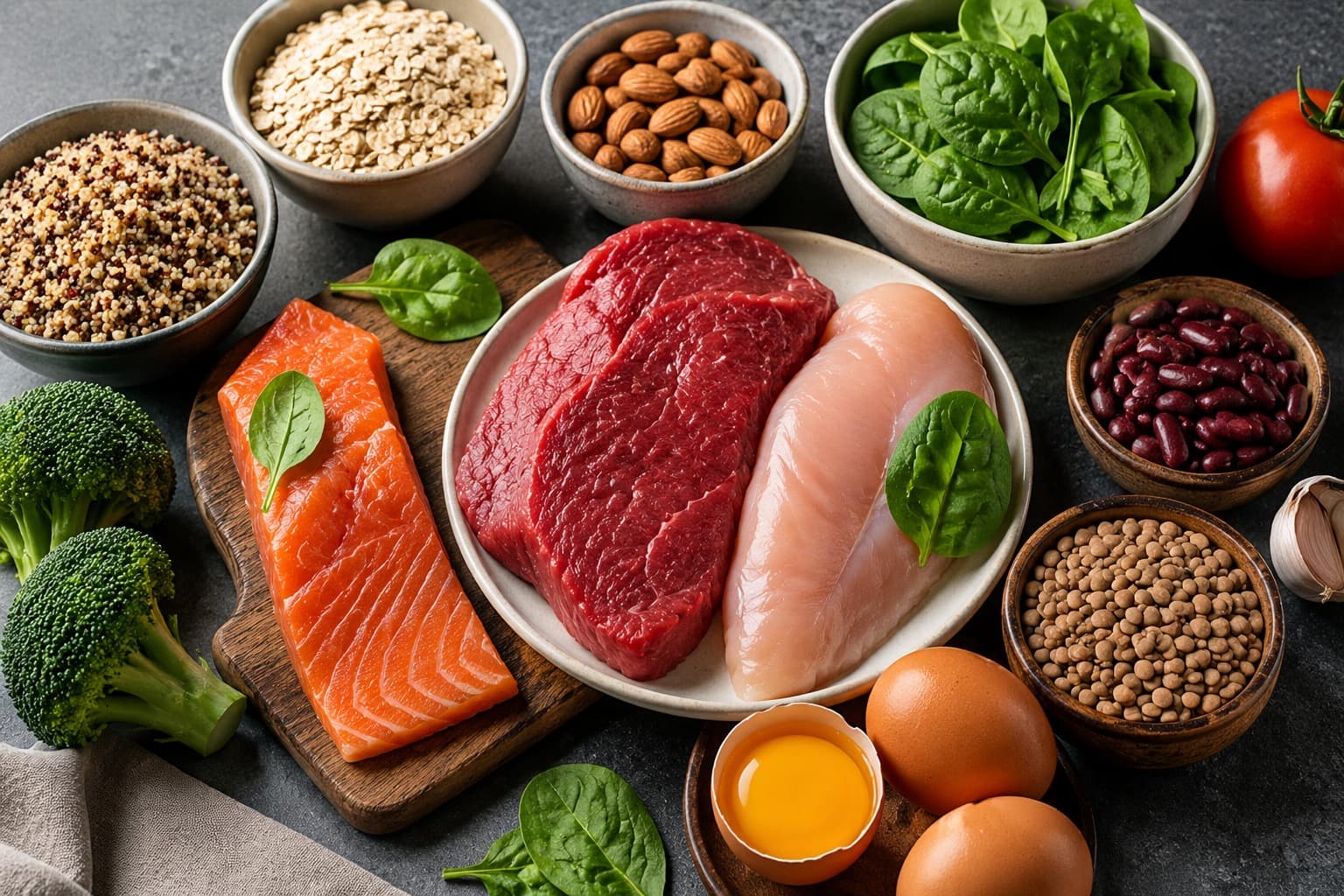

Breast cancer remains a leading cause of cancer among women globally, with an estimated 2.3 million new cases in 2022 alone bcrf.org. In Tanzania and India, the incidence is rising, highlighting the urgent need for awareness, early detection, and effective nutritional interventions. This article delves into the role of diet in prevention, self-examination techniques, post-surgery nutrition, and long-term strategies to reduce recurrence. Nutrition: A Pillar in Prevention A balanced diet rich in antioxidants, fiber, and healthy fats can lower the risk of breast cancer. Key dietary components include: • Cruciferous Vegetables: Broccoli, cauliflower, and cabbage contain compounds that may reduce cancer risk lompocvmc.com. • Berries and Citrus Fruits: High in vitamins and antioxidants, they support immune function. • Legumes and Whole Grains: Provide fiber and phytoestrogens, which may help balance hormone levels. • Healthy Fats: Sources like olive oil and avocados support overall health breastcancernow.org. Conversely, limiting intake of: • Processed Foods and Red Meats: Associated with increased cancer risk. • Alcohol and Sugary Beverages: Linked to higher breast cancer incidence healthline.com. Early Detection: Self-Examination Techniques Regular breast self-exams (BSE) are crucial for early detection:
- Visual Inspection: Look for changes in size, shape, or skin texture.
- Physical Examination: Using the pads of your fingers, gently press on the entire breast area, including under the arms, to feel for lumps or thickening.
- Nipple Check: Squeeze gently to check for discharge nationalbreastcancer.org. It's recommended to perform BSE monthly, ideally a few days after your period ends, to ensure consistency. Post-Surgery Nutrition: Supporting Recovery After breast cancer surgery, proper nutrition aids in healing and strength: • Protein-Rich Foods: Essential for tissue repair; include lean meats, legumes, and dairy. • Vitamin-Rich Foods: Incorporate fruits and vegetables for vitamins A and C, which support immune function. • Hydration: Adequate fluid intake is vital for recovery. • Avoid: High-sodium and processed foods that can impede healing hopkinsmedicine.org. Global Perspective: Incidence and Awareness Breast cancer incidence varies globally: • China: 357,161 cases • United States: 274,375 cases • India: 192,020 cases • Brazil: 94,728 cases wcrf.org In Tanzania & India, increasing awareness and access to screening are essential. Initiatives like "Paint the Town Pink" in Manistee, Michigan, have successfully raised awareness and funds for breast cancer research Manistee News Advocate. Empowering Women: Support and Encouragement Encourage open discussions about breast health and support each other in regular screenings. Community-based programs and survivor stories can inspire and motivate women to take proactive steps in their health journey. Long-Term Strategies: Prevention and Lifestyle Adopting a healthy lifestyle is key to reducing breast cancer risk: • Regular Physical Activity: Aim for at least 30 minutes of moderate exercise most days. • Maintain a Healthy Weight: Obesity increases the risk of breast cancer, especially post-menopause. • Avoid Tobacco and Limit Alcohol Consumption: Both are linked to increased cancer risk. • Regular Screenings: Mammograms and clinical exams as recommended by healthcare providers cancer.org. Conclusion Breast cancer prevention and recovery are multifaceted, involving nutrition, early detection, and lifestyle choices. By empowering women with knowledge and support, we can make significant strides in combating this disease.