
Let's talk about something that might sound boring but is actually a total game-changer: meal planning. Meal planning is one of the most important life skills you can develop, yet it's often overlooked or dismissed as unnecessary. The truth is, how you plan and approach your meals has a profound impact on nearly every aspect of your life, from your physical health and mental clarity to your financial stability and long-term success. Understanding and implementing meal planning isn't just about food, it's about taking control of your wellbeing and setting yourself up for a better quality of life. Why Should You Even Care About Meal Planning? Look, we're all living in chaos mode. Between work, side hustles, social life, trying to stay fit, keeping up with everyone's stories, and maybe squeezing in some sleep, eating healthy feels like mission impossible, right? Here's the thing: what you eat literally affects everything. Think about it:
Ever felt brain fog during an important meeting or exam? That's probably your lunch. Can't focus on your creative projects? Your nutrition might be tanking your energy. Feeling anxious or down more than usual? Food plays a bigger role in mental health than most people realize (Selhub, 2022). Always tired even though you slept? Yeah, food again. Broke by mid-month? Takeout and DoorDash are silently draining your bank account. How Meal Planning = Life Success
- Your Energy = Your Currency You can't build your dream life if you're running on fumes. Processed food, irregular eating, and nutritional deficits leave you exhausted. When you eat well consistently, you have the stamina to work on your goals, hit the gym, stay social, and still have energy for yourself.
- Mental Health Matters Depression, anxiety, brain fog, they're all connected to gut health and nutrition. This is backed by science. Research shows that individuals following balanced dietary patterns like the Mediterranean diet have a 42% reduced risk of developing depression compared to those eating processed Western diets (Parletta et al., 2017). Your brain needs proper nutrition to produce neurotransmitters like serotonin and dopamine. In fact, about 95% of your serotonin is produced in your gastrointestinal tract (Selhub, 2022). You literally cannot think clearly or feel your best on a diet of energy drinks and instant ramen. Studies have also found that balanced diets are associated with better mental health, superior cognitive functions, and larger gray matter volumes in key brain regions (Zhang et al., 2024). The gut-brain connection is real, and what you eat directly impacts your mood, focus, and emotional well-being.
- Money Talks Meal planning can cut your food costs dramatically. Instead of impulse ordering when you're hungry and stressed, you're buying exactly what you need and using it efficiently. Imagine what you could do with that extra $1,000-2,000 a year. Travel, invest, save for a place, buy that thing you actually want.
- Time is Everything
"I don't have time to cook" is the biggest myth. You know what takes time? Deciding what to eat three times a day. Scrolling through delivery apps. Waiting for food. Shopping multiple times a week. Research shows we make over 221 food decisions daily, and this decision fatigue drains our mental energy (McKee, 2025). Meal planning actually saves you hours every week by eliminating this constant mental load.
The Simple Guide: How to Actually Start (Without Overwhelming Yourself) Phase 1: The First Week (Just Dip Your Toes) Step 1: Start Ridiculously Small Don't try to meal prep like those Instagram influencers. Seriously. Just plan dinner for 3-4 days this week. That's it. Step 2: Pick Super Simple Recipes We're talking:
Stir-fry (protein + veggies + rice) Pasta with marinara and a side salad Tacos (protein + toppings + wraps) Sheet pan meals (throw chicken and veggies on a pan, bake)
Find 3-4 recipes that have less than 7 ingredients and take under 30 minutes. Step 3: Make Your First Grocery List Write down exactly what you need for those 3-4 meals. Nothing extra. Use your phone's notes app or whatever works for you. Pro tip: Organize your list by section (produce, meat, pantry) so you're not running around the store like a maniac. Step 4: Go Grocery Shopping Pick one day (Sunday works for most people) and just do it. Put on a good playlist or podcast, and make it less of a chore. First time? It might take an hour. That's normal. You're learning where everything is. Step 5: Prep One Thing When you get home, do one prep task:
Wash and chop your vegetables Cook your rice or quinoa for the week Marinate your protein Whatever takes 20 minutes
This makes cooking later so much easier. Phase 2: Weeks 2-4 (Building the Habit) Week 2: Add Breakfast Now that dinner is handled, add easy breakfast options:
Overnight oats (literally mix and refrigerate) Egg muffins (bake a dozen, eat all week) Smoothie packs (freeze fruits and greens in bags) Greek yogurt with granola and berries
Week 3: Expand Your Dinner Rotation Plan 5-6 dinners. Try one new recipe. Keep the rest familiar. Start batch cooking: make double portions and freeze half. Future you will be so grateful. Week 4: Add Lunch Make extra dinner = lunch the next day. Or prep simple lunches:
Grain bowls (grain + protein + veggies + dressing) Wraps or sandwiches Big salads with protein
Phase 3: Month 2+ (You're Basically a Pro Now) By now, you'll notice:
Shopping is faster (you know where everything is) Cooking is easier (you've made these recipes before) You feel so much better You're saving money (check your bank account!) You have more free time during the week
Now you can:
Build a rotation of 15-20 go-to meals Get creative with new recipes Meal prep like a boss Teach your friends how to do it
The "Eating Healthy" Cheat Sheet (No Diet BS) Forget everything you've heard about restrictive diets. Here's the actual formula for eating healthy: The Simple Plate Formula Every meal should roughly look like this:
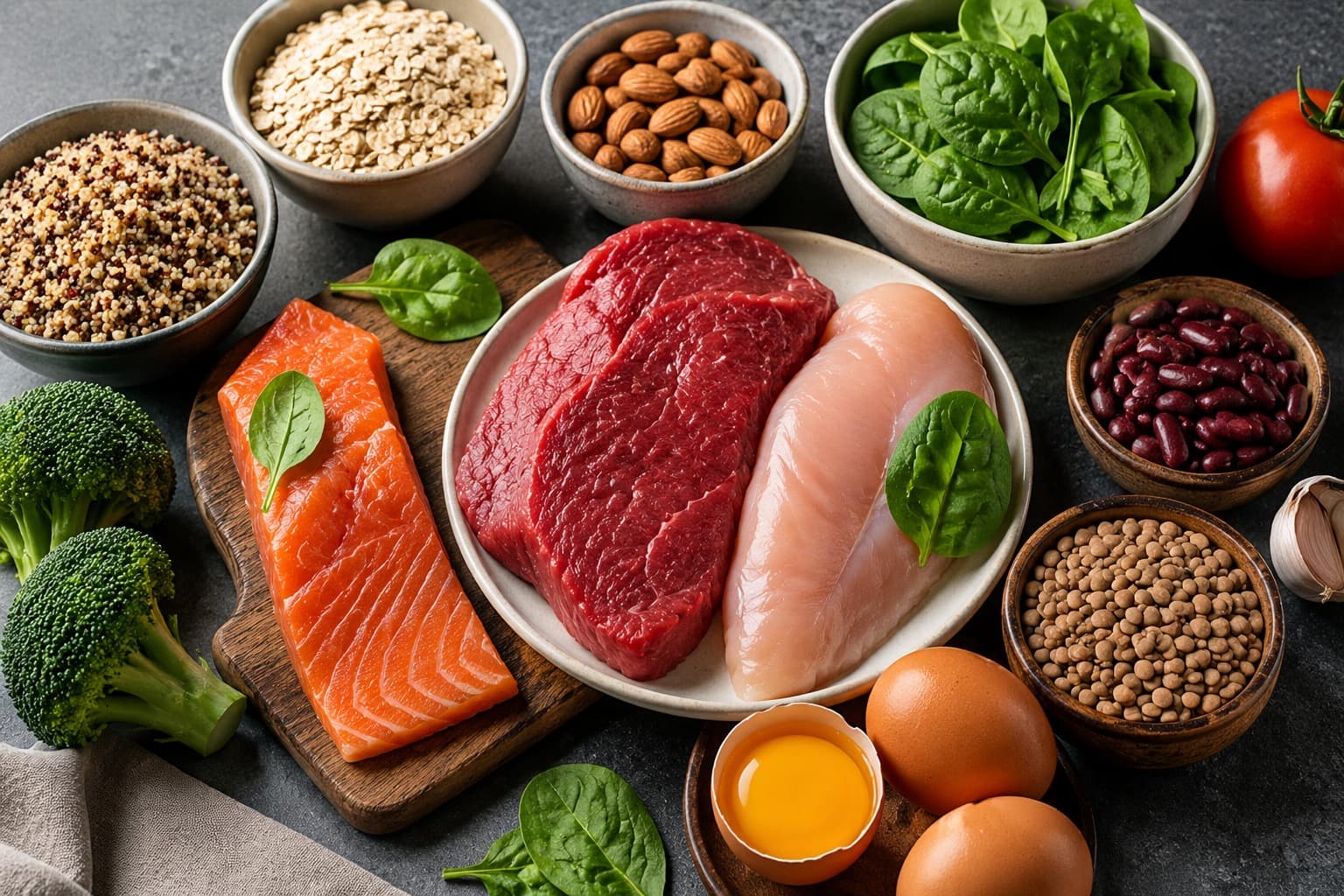
Half plate: Vegetables (any color, cooked or raw) Quarter plate: Protein (chicken, fish, tofu, beans, eggs) Quarter plate: Complex carbs (brown rice, quinoa, sweet potato, whole grain pasta) Add: A healthy fat (avocado, olive oil, nuts)
That's it. If most of your meals look like this, you're winning. The 80/20 Rule Eat nutritious, whole foods 80% of the time. The other 20%? Live your life. Get the pizza with friends. Enjoy the birthday cake. Have the late-night snack. This isn't about perfection; it's about consistency. Why This Matters for Your Brain Your brain is always working (24/7) and it needs premium fuel to function properly (Selhub, 2022). High-quality foods containing vitamins, minerals, and antioxidants nourish the brain and protect it from oxidative stress. Research shows that diets high in processed foods are strongly correlated with increased risk of depression, cognitive decline, and ADHD (Rao et al., 2018). On the flip side, eating a variety of nutrient-dense whole foods supports:
Neurotransmitter production (hello, better mood and focus) Brain-derived neurotrophic factor (BDNF) which helps with memory and learning A healthy gut microbiome that communicates directly with your brain Reduced inflammation that can impair cognitive function
Hydration is Not Optional Drink water. Like, actually drink it. Most people walk around mildly dehydrated and wonder why they feel terrible. Get a water bottle you actually like and carry it everywhere. Snack Smart Keep these around:
Fresh fruit Nuts and seeds Hummus with veggies Greek yogurt Protein bars (read the label and avoid candy bars disguised as health food)
What to Stock in Your Kitchen Pantry Staples:
Brown rice, quinoa, oats Canned beans and lentils Pasta (whole grain) Canned tomatoes Olive oil Spices (garlic powder, paprika, cumin, Italian seasoning) Peanut or almond butter
Fridge/Freezer:
Eggs Greek yogurt Frozen vegetables (seriously, they're just as nutritious and way more convenient) Frozen fruits for smoothies Whatever protein you eat Leafy greens Fresh veggies
Pro Tips (Things I Wish Someone Told Me)
- Embrace "Good Enough" Your meals don't need to look Instagram-worthy. If it's nutritious and tastes decent, that's a win.
- Theme Nights Make It Easy
Monday: Pasta Tuesday: Tacos Wednesday: Stir-fry Thursday: Sheet pan meals Friday: Whatever (flex night!)
You're not deciding what to eat, just which version of the theme. 3. Spotify + Cooking = Game Changer Make a cooking playlist. Seriously, it makes everything more fun. 4. Cook Once, Eat Multiple Times Roast a whole chicken and turn it into chicken tacos, chicken salad, chicken stir-fry, chicken soup. One cooking session, four meals. 5. Pre-Cut is Worth It Sometimes Yeah, pre-cut veggies cost more. But if it's the difference between eating vegetables or not eating them, it's worth it. Be honest about your energy levels. 6. Use Your Phone
Set reminders for grocery day Save recipes in Pinterest or Instagram Use apps like Mealime or Budget Bytes for ideas Take photos of meals you loved so you remember to make them again
- It Gets So Much Easier The first few weeks feel like work. By week 6-8, it's just what you do. Like brushing your teeth. It becomes automatic (Seshadri, cited in Brain and Life, n.d.). When Life Gets Crazy (Because It Will) Some weeks you'll nail it. Some weeks you'll order takeout four times. That's life. The goal isn't perfection; it's building a system you can come back to. Emergency Backup Plan:
Keep frozen meals for absolute chaos weeks Have 2-3 "15-minute meals" you can make with pantry staples Rotisserie chicken from the grocery store = instant meals It's okay to simplify sometimes
The Real Reason This Matters Here's what nobody tells you about being in your 20s and 30s: the habits you build now set the trajectory for your entire life. People who figure out meal planning and nutrition early:
Have more energy to build their careers Save thousands of dollars Look and feel better Have fewer health issues later (Ducrot et al., 2017) Actually have the stamina to enjoy life
You're not meal planning because you have to. You're doing it because you're investing in the person you're becoming. Your Challenge (If You're Ready) Here's your mission:
1--Pick one day this week to plan 3 dinners 2--Make your grocery list 3--Go shopping 4--Cook one of those meals 5--Notice how you feel
That's it. Just start. You don't need to be perfect. You don't need fancy containers or a huge kitchen or tons of free time. You just need to take the first step. And hey, if you mess up? So what. Try again next week. This is a skill you're building, not a test you pass or fail. Final Thoughts Meal planning isn't about restriction or being boring or losing spontaneity. It's about creating freedom. Freedom from decision fatigue, from draining your bank account, from feeling exhausted all the time, from letting your health slide. It's about taking control of one area of your life so you can show up fully for everything else you want to do. You've got this. For real. Now go add "grocery shopping" to your calendar and let's make it happen. P.S. Start small, be patient with yourself, and remember: every person who's good at meal planning now was once standing in the grocery store, completely overwhelmed, wondering what to buy. You're not behind. You're just starting. References Circuit. (2025, September 16). How much do Americans spend on excessive delivery fees? https://getcircuit.com/teams/blog/hidden-cost-of-delivery Ducrot, P., Méjean, C., Aroumougame, V., Ibanez, G., Allès, B., Kesse-Guyot, E., Hercberg, S., & Péneau, S. (2017). Meal planning is associated with food variety, diet quality and body weight status in a large sample of French adults. International Journal of Behavioral Nutrition and Physical Activity, 14(1), Article 12. https://doi.org/10.1186/s12966-017-0461-7 Empower. (2024). The cost of convenience: How food delivery apps add up. https://www.empower.com/the-currency/play/the-cost-of-convenience-how-food-delivery-apps-add-up-news McKee, A. (2025, July 2). Why meal planning is a health game-changer and how to do it properly. Men's Health UK. https://www.menshealth.com/uk/nutrition/food-drink/a65276794/meal-planning-benefits/ Parletta, N., Zarnowiecki, D., Cho, J., Wilson, A., Bogomolova, S., Villani, A., Itsiopoulos, C., Niyonsenga, T., Blunden, S., Meyer, B., Segal, L., Baune, B. T., & O'Dea, K. (2017). A Mediterranean-style dietary intervention supplemented with fish oil improves diet quality and mental health in people with depression: A randomized controlled trial (HELFIMED). Nutritional Neuroscience, 22(7), 474-487. Rao, T. S. S., Asha, M. R., Ramesh, B. N., & Rao, K. S. J. (2018). Food, mood, and brain health: Implications for the modern clinician. Missouri Medicine, 115(5), 471-476. https://www.ncbi.nlm.nih.gov/pmc/articles/PMC6170050/ Selhub, E. (2022, September 18). Nutritional psychiatry: Your brain on food. Harvard Health Publishing. https://www.health.harvard.edu/blog/nutritional-psychiatry-your-brain-on-food-201511168626 Upgraded Points. (2023, May 30). Surveying Americans on food delivery usage [2023]. https://upgradedpoints.com/news/americans-food-delivery-habits/ Zhang, R., Geng, T., Wang, Y., Si, Y., Jiang, M., Yu, L., Yin, X., Zhang, B., & Fang, Y. (2024). Associations of dietary patterns with brain health from behavioral, neuroimaging, biochemical and genetic analyses. Nature Mental Health, 2(4), 536-552. https://doi.org/10.1038/s44220-024-00226-0