
A Clinical Nutrition Perspective
Author: Razia Ali Clinical Nutritionist | Dietitian |
The way we combine foods on our plate significantly impacts how our body digests, absorbs, and utilizes nutrients. Pairing complex carbohydrates with protein, fiber, and healthy fats is not just a diet trend—it’s a scientifically backed approach to balance blood sugar levels, enhance satiety, and support long-term metabolic health.
This concept, often called macronutrient synergy, helps regulate glucose release into the bloodstream and provides sustained energy throughout the day.
Understanding Complex Carbohydrates
Complex carbohydrates are long chains of sugar molecules found naturally in foods like whole grains, legumes, starchy vegetables, and fruits. Unlike simple sugars that digest quickly and spike blood sugar, complex carbs digest slowly due to their fiber content and structure.
Examples :Whole grains: oats, quinoa, brown rice, millet Legumes: lentils, beans, chickpeas Vegetables: sweet potatoes, pumpkin, beets Fruits: apples, berries, pears
These foods provide glucose steadily, fueling the brain and muscles without rapid insulin surges.
According to Harvard T.H. Chan School of Public Health (2022), diets rich in complex carbohydrates from whole foods are linked to lower risks of type 2 diabetes, obesity, and cardiovascular diseases.
The Science of Pairing Macronutrients
When complex carbs are eaten alone, they break down into glucose faster, leading to a quick rise—and subsequent drop—in blood sugar levels. But when they’re combined with protein, fiber, and healthy fats, digestion slows, creating a steady energy release.
Let’s explore how each nutrient contributes:
- Protein
Protein takes longer to digest and stimulates the release of glucagon, a hormone that helps regulate blood sugar. It also supports lean muscle mass, improving insulin sensitivity and overall metabolic function.
Example: Adding boiled eggs or Greek yogurt to oatmeal helps balance its glycemic impact. Scientific Insight: A study published in the American Journal of Clinical Nutrition (2018) showed that including protein with carbohydrate meals significantly reduced postprandial glucose spikes in adults with prediabetes.
- Fiber
Dietary fiber, especially soluble fiber, forms a gel-like substance in the digestive tract, delaying carbohydrate breakdown and glucose absorption. It also supports gut microbiota and lowers cholesterol.
Example: Mixing lentils with brown rice or topping toast with avocado increases fiber content and satiety. Research: The World Health Organization (WHO, 2021) recommends at least 25–30 grams of fiber daily for optimal metabolic and gut health.
- Healthy Fats
Fats slow gastric emptying, meaning food stays longer in the stomach, leading to sustained fullness and a controlled glucose response. Healthy fats also support brain function, hormone synthesis, and absorption of fat-soluble vitamins (A, D, E, K).
Example: Drizzling olive oil on whole-grain salads or pairing nuts with fruits offers steady energy. Evidence: Harvard School of Public Health (2017) found that replacing refined carbs with unsaturated fats reduces cardiovascular risk by 30%.
Health Benefits of Macronutrient Pairing
- Balanced Blood Sugar Levels: Prevents rapid glucose spikes and crashes, reducing cravings and fatigue.
- Improved Insulin Sensitivity: Especially beneficial for individuals with PCOS, metabolic syndrome, or type 2 diabetes.
- Enhanced Satiety: Helps manage appetite and prevent overeating.
- Hormonal and Cognitive Support: Stable blood sugar improves concentration, memory, and mood stability.
- Gut Health: High-fiber meals support beneficial gut bacteria, improving digestion and immunity.
ractical Dietitian’s Plate: How to Pair Correctly
Creating a balanced plate is simple once you understand the macronutrient synergy rule:
| Component | Examples | Health Benefit |
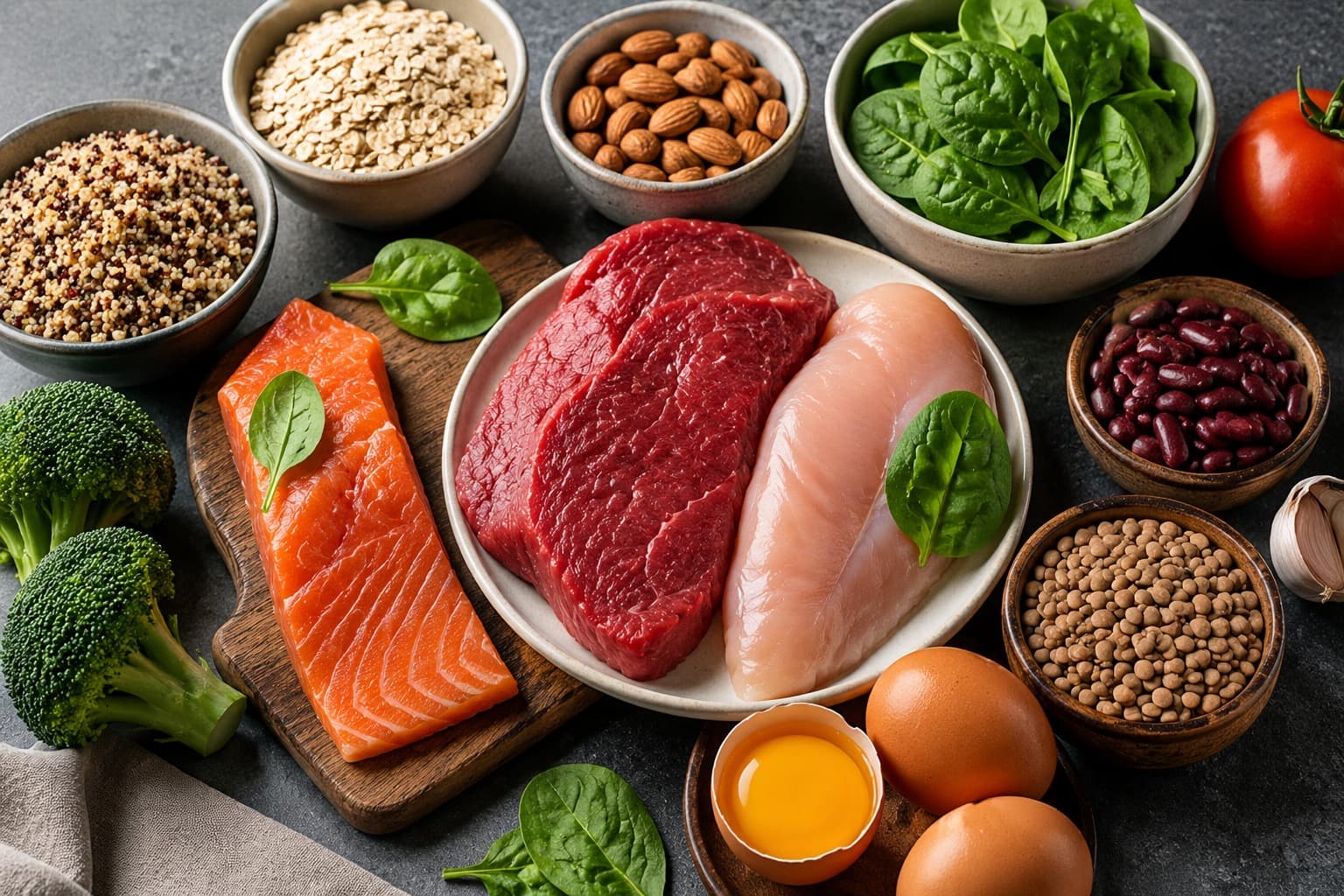
| Complex Carbohydrate | Brown rice, quinoa, oats, sweet potato | Steady energy release | | Protein | Fish, lentils, paneer, tofu, eggs | Builds muscle, balances insulin | | Fiber | Vegetables, legumes, fruits | Supports digestion, fullness | | Healthy Fats | Olive oil, nuts, seeds, avocado | Sustained satiety, nutrient absorption |
Sample Meals:
Oatmeal topped with chia seeds and nut butter Brown rice with lentils and sautéed vegetables in olive oil Whole-grain toast with avocado and boiled eggs Smoothie with banana, spinach, and peanut butter
Dietitian’s Note
Balancing macronutrients is a key principle of sustainable nutrition. Skipping protein or healthy fats at meals often leads to faster hunger and mood swings. For children, athletes, and diabetics, pairing nutrients ensures steady fuel supply and prevents energy crashes.
Focus on natural, unprocessed sources of all food groups and avoid pairing carbs with sugary beverages or refined oils, as they cancel out the metabolic benefits.
Conclusion
Pairing complex carbohydrates with protein, fiber, and healthy fats is more than a dietary guideline — it’s a foundation for stable blood sugar, improved digestion, and long-term disease prevention. By creating meals that combine these nutrients, we help our bodies maintain energy balance, reduce inflammation, and protect overall metabolic health.
Remember: What matters is not just what we eat, but how we combine it.
References
- Harvard T.H. Chan School of Public Health. (2022). The Nutrition Source: Carbohydrates and Blood Sugar.
- Jenkins, D. J., et al. (2018). Protein and glycemic control in prediabetes and type 2 diabetes. American Journal of Clinical Nutrition, 108(2), 404–413.
- WHO. (2021). Dietary Fiber and Health – Guideline Update. World Health Organization Technical Series.
- Harvard School of Public Health. (2017). Dietary fats and cardiovascular disease: Evidence and recommendations.
- Slavin, J. L. (2020). Dietary fiber and satiety: The role of macronutrient balance. Nutrients, 12(9), 2637–2645.
Authored by: Razia Ali [raziaali52110@ymail.com] Instagram: @robust__nutrition